Westchester Reform Temple
CODE OF ETHICS
This Code of Ethics sets forth the principles and standards of conduct expected of clergy, congregants, staff, visitors, and guests when participating in activities of Westchester Reform Temple (“WRT”), whether in our building, online, or offsite.
Holiness (Kedusha) and Compassion (Rachamim)
• We welcome all who wish to engage with our community, without regard to religious background, age, ability, race, ethnicity, nationality, gender, gender identity, sexual orientation, marital status, or socioeconomic status.
• We foster a sense of belonging in which everyone’s ideas and concerns are met with respect, in accordance with the Jewish value of derech eretz (decency and respect).
• We appreciate the time, talent, and energy our members contribute to WRT’s work.
Honesty, Integrity, and Honor (Yashar and Kavod)
• We communicate openly and honestly and address differences constructively.
• We conduct financial and congregational affairs with integrity, transparency, and accountability, in compliance with applicable laws and in WRT’s best interest.
• We uphold our financial commitments; if circumstances change, we promptly inform those managing synagogue finances.
• We act in the synagogue’s best interest when acting on its behalf and do not use a synagogue position for personal advantage.
• We conduct employment practices ethically and lawfully, with fair policies for grievance reporting and conflict resolution.
Safety (B’tiychut) and Justice (Tzedek)
• Everyone in our sacred space has the right to feel safe and respected.
• We do not tolerate harassment in any form, or any hostile behavior – verbal, physical, or cyber – that degrades, humiliates, or oppresses another.
• We strive to protect those who may be victims of abuse, neglect, or injustice.
Questions about this Code, or reports of potential violations, may be directed to the President, the Executive Director, the Senior Rabbi, the Senior Cantor, or any Officer.

 Senior Rabbi
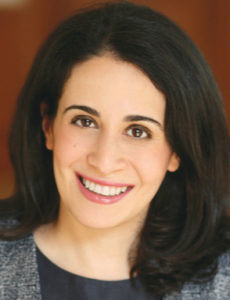 Senior Cantor
 Assistant Rabbi
 Associate Rabbi/
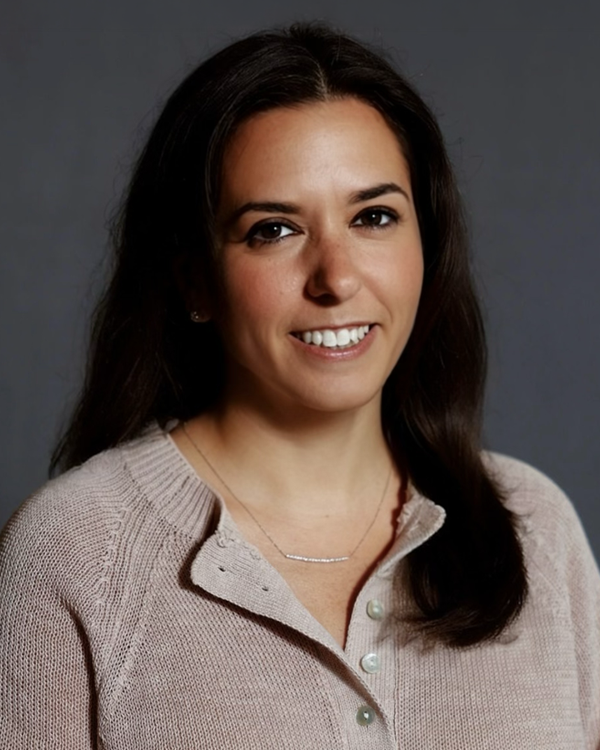 Philanthropy Director
 Facilities Manager
 Early Childhood Center Assistant Director
 Special Events and Catering Manager
 Associate Rabbi/Jewish Learning Lab Director
 Director of Communications
 Jewish Learning Lab Assistant Director
 Executive Director
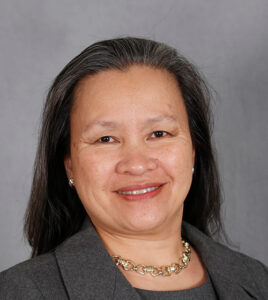 Membership & Program Engagement Director
 Early Childhood Center Director
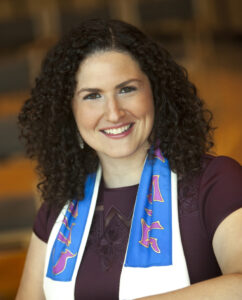 Cantor-in-Residence

